How to Plan a Corporate Video Shoot in New York or New Jersey
Most corporate video problems are planning problems. Here is the sequence that keeps a shoot on schedule — from defining the brief to clearing building access.
· 8 min read · By Motion Mention Production Team
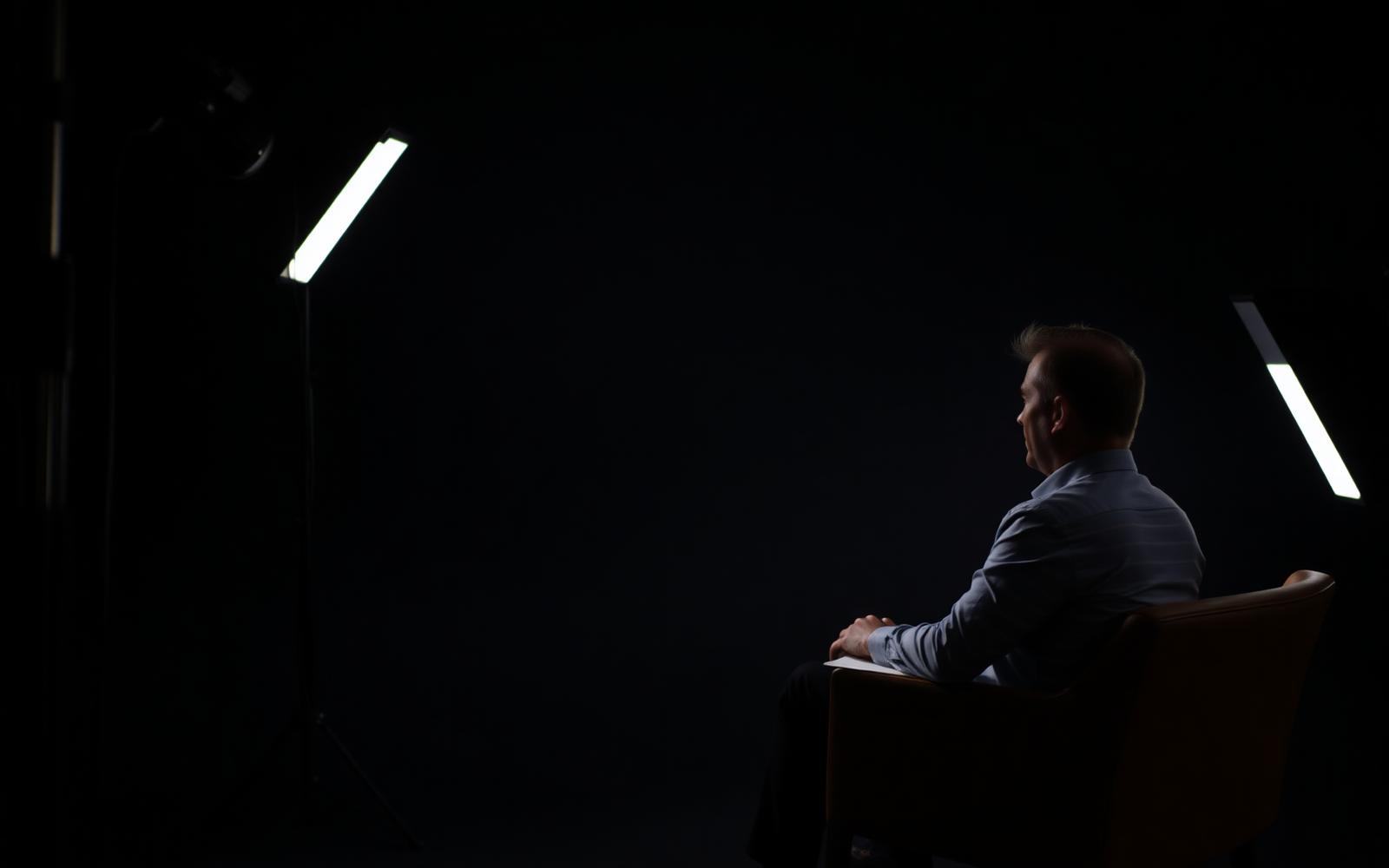
A corporate video rarely fails in the edit. It fails weeks earlier, when nobody decided what the video was for, who had to approve it, or whether the building would let a crew in with lighting stands. Planning is where the quality is determined; the shoot day just executes it.
This is the sequence we work through with clients in New York and New Jersey, in the order that actually matters.
Start with the decision, not the video
The most useful question at the start of a project is not "what should the video look like" but "what should someone do or believe after watching it?" A recruitment video and a sales video can be shot in the same office with the same executive and still need entirely different structures.
Write the objective in one sentence before anything else. If it takes a paragraph, the project is probably two videos rather than one — and splitting it early is cheaper than discovering it during the edit.
Define the audience precisely
"Our customers" is not an audience. A procurement officer evaluating vendors, a graduate considering an offer, and an existing client renewing a contract each need different evidence, different length, and different tone. Naming the audience narrowly is what lets a production team make confident choices on set.
Lock the approval group before production
The single most common cause of a delayed corporate video is an approval group that grows after the first cut. Legal appears in round two. A regional director appears in round three. Each new reviewer resets the process.
- Name every person who must sign off, in writing, before the shoot
- Identify one decision-maker who resolves conflicting feedback
- Agree how many revision rounds the project includes
- Set a review window that matches the deadline you actually have
This is not bureaucracy for its own sake. It is the difference between a two-week post schedule and a two-month one.
Choose locations for sound before looks
Offices photograph better than they record. Glass conference rooms are visually appealing and acoustically hostile — hard surfaces produce reverb that no amount of post-production fixes cleanly. Open-plan floors carry conversation and keyboard noise from thirty feet away.
When scouting, listen with your eyes closed for thirty seconds in each candidate room. Note the HVAC cycle, the elevator ping, the street noise, and whether the space is near a kitchen or a printer. A slightly less attractive room with soft furnishings will almost always produce a better final video than a beautiful glass box.
Building access in NYC and North Jersey
Commercial buildings in Manhattan and around Newark and Jersey City frequently require advance notice for equipment load-in, certificates of insurance naming the building, freight elevator reservations, and security clearance for each crew member by name. In some buildings, freight elevators do not run outside set hours, which can silently determine your entire shoot schedule.
Ask your facilities contact these questions at least a week out, and expect the answers to change the plan. Street parking for a gear vehicle is a separate problem again, particularly in Manhattan, and is worth resolving before the call sheet goes out.
Build the schedule around people, not equipment
Executives are the scarcest resource on a corporate shoot. Schedule their time in a tight, protected block and light the setup before they arrive so they are not sitting under lights while a stand is adjusted. Twenty focused minutes with a prepared subject produces more usable material than ninety distracted ones.
Everything else — b-roll, workspace shots, product detail, cutaways — is flexible and can fill the gaps around fixed appointments.
Decide the deliverables before the shoot
Deliverables shape production. If vertical social cuts are required, framing has to account for a 9:16 crop at capture. If the film will play on a trade show wall without sound, on-screen text has to carry the message. If a version needs to be under sixty seconds, the interview questions need to be tighter.
- Master film and its runtime
- Cutdowns, and how short the shortest one is
- Aspect ratios: 16:9, 1:1, 9:16
- Caption and subtitle requirements
- Any localized or language versions
Prepare the people on camera
Send participants the topic areas in advance, not the exact wording of the questions. Topics let someone prepare their thinking; verbatim questions encourage memorization, which reads as stiff on camera.
Give simple wardrobe guidance — solid mid-tone colors, no fine patterns, nothing that rustles against a lavalier microphone — and tell people how long they will be needed so they do not arrive with one eye on the next meeting.
A realistic planning timeline
Timelines vary with scope, so treat this as a sequence rather than a schedule: brief and objective agreed, then creative direction and treatment approved, then logistics and access confirmed, then production, then edit and revision rounds, then final delivery. Trouble almost always comes from compressing the first two stages, because that is where decisions get made cheaply.
If a shoot date is already fixed and immovable, work backward from it and be honest about which stage gets compressed. The best outcome from a short lead time is a narrower scope executed properly, not a wide scope executed in a rush.
Related services